

Epoxy Flooring
Seamless, hard-wearing floor systems built on properly ground concrete — for garages, warehouses and commercial spaces that need to take abuse and clean easily.
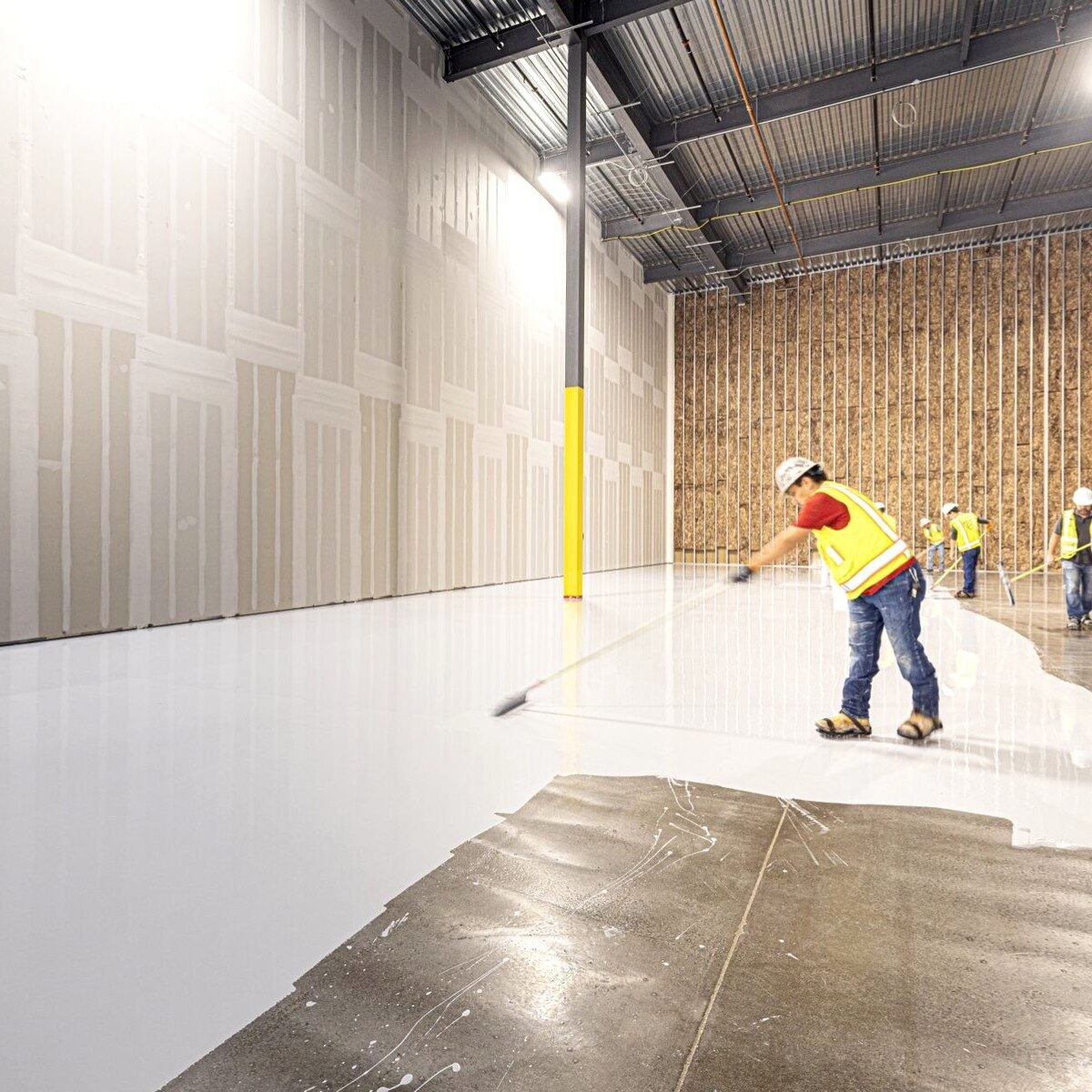 02 · Flooring
- Worn, dusting or porous garage slabs
- Oil- and salt-stained floors
- High-traffic commercial and industrial floors
- Floors that need a cleanable, seamless surface
- Existing coatings that are peeling or delaminating
A build-up chosen for the traffic it will carry.
The body of the system. High build and strong bond to prepared concrete; solid colour or with a decorative flake or quartz broadcast.
Optional wear layer. Faster cure, UV-stable and more resistant to hot-tire pickup and chemicals.
Used where slab moisture readings call for it, so the coating is not lifted from below.
- 01Grind and test
Mechanical diamond grinding opens the surface; moisture and hardness are checked.
- 02Repair cracks and joints
Cracks, spalls and control joints are filled so they do not telegraph through the finish.
- 03Prime and body coat
Primer, then the epoxy body coat, with any broadcast applied while wet.
- 04Topcoat and cure
Clear topcoat, then a cure period before foot traffic and a longer one before vehicles.
Residential garages, warehouses, workshops, commercial kitchens, showrooms.
Both are seamless coating systems. Polyaspartic generally cures faster and offers strong UV stability; epoxy offers a well-established build and bond. They are often combined within one floor system.
Proper surface preparation — typically mechanical grinding — is what allows a coating to bond. Skipping it is the most common reason coatings fail early.
Start with the concrete.
Fix it properly.
Tell us what you’re seeing and where. We’ll assess the condition on site and recommend the system that fits — or tell you if a different approach is the right one.