

Concrete Crack Injection
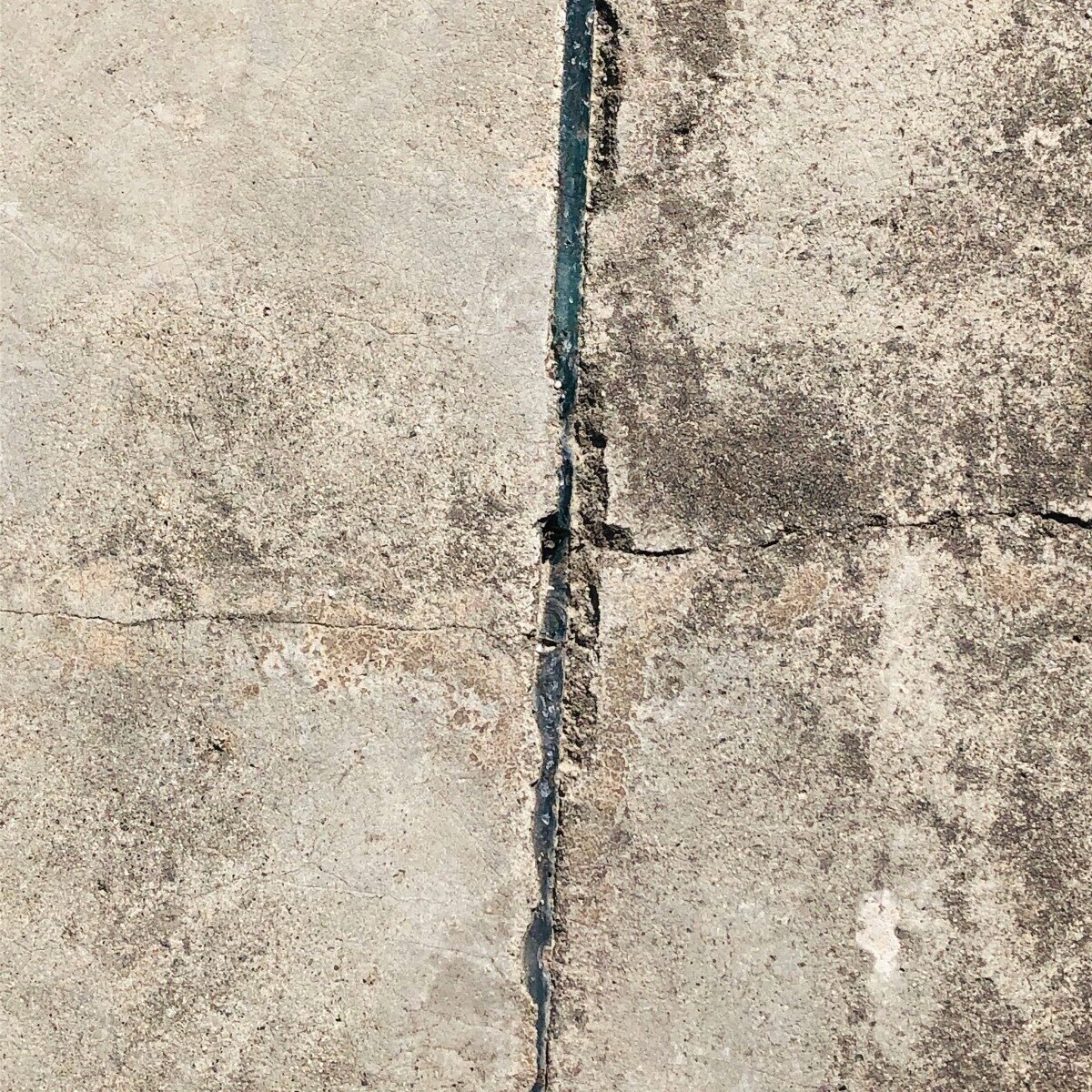
Targeted polyurethane or epoxy injection that seals the crack through its full depth — stopping water at the point of entry rather than covering the stain.
 01 · Repair
- Active water leaks through foundation walls
- Cracks in parkade slabs, walls and columns
- Structural cracks that need a rigid bond
- Cold joints, tie holes and form voids
- Water in elevator pits and below-grade rooms
Flexible where it moves. Rigid where it must hold.
Expands on contact with water and cures flexible. Used for active leaks and cracks that see movement or moisture.
Cures rigid and bonds the crack faces back together. Used for dry, stable structural cracks where strength matters.
Tracing the water path — moisture readings, crack mapping and construction review — before any material is chosen.
- 01Assess and trace
Identify where water enters, not just where it shows. Confirm crack type, movement and moisture.
- 02Install ports and seal
Ports are set along the crack and the surface is sealed so material travels into the crack, not out of it.
- 03Inject under control
Material is injected at controlled pressure until the crack is filled through its full depth.
- 04Verify and finish
Ports are removed, the surface is dressed and the repair is checked once cured.
Foundation walls, parkades, below-grade slabs, retaining walls, elevator pits.
Polyurethane expands and cures flexible, which suits cracks with active water. Epoxy cures rigid and bonds the crack faces, which suits structural cracks that are dry and stable. The condition of the crack decides which is used.
In many cases, yes. Polyurethane injection is designed to react in the presence of water and seal the pathway. Assessment confirms whether injection is the right approach for a given leak.
Start with the concrete.
Fix it properly.
Tell us what you’re seeing and where. We’ll assess the condition on site and recommend the system that fits — or tell you if a different approach is the right one.