
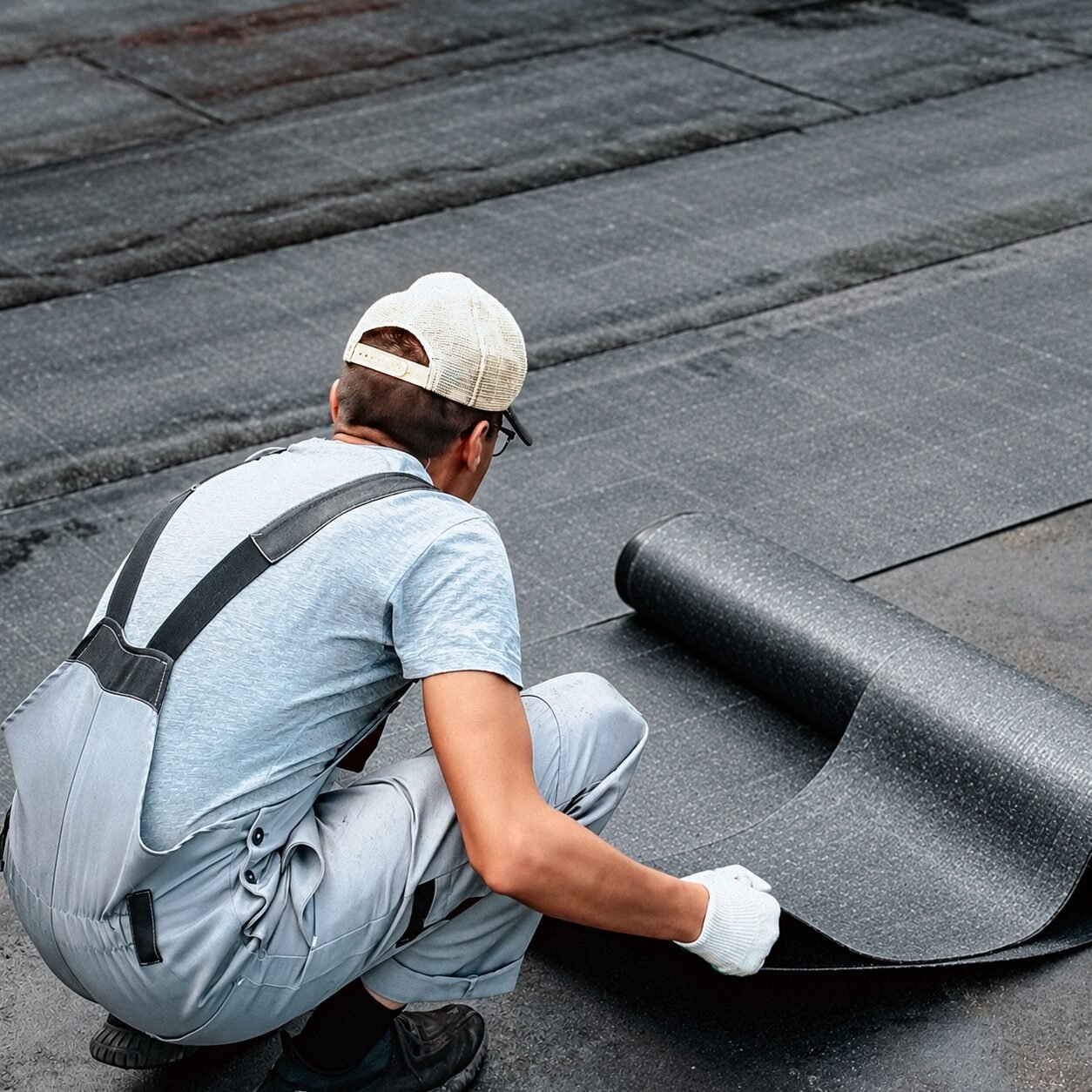
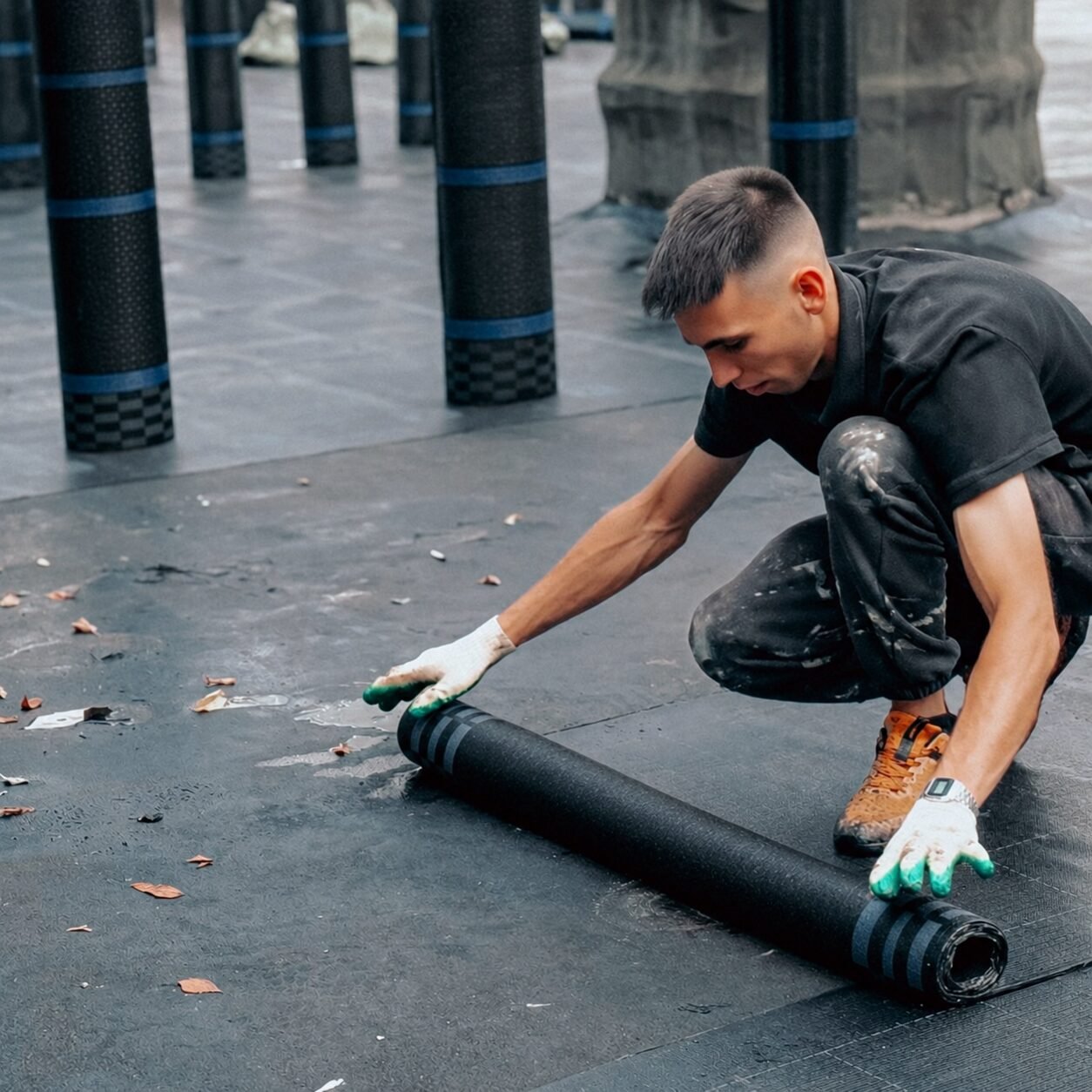
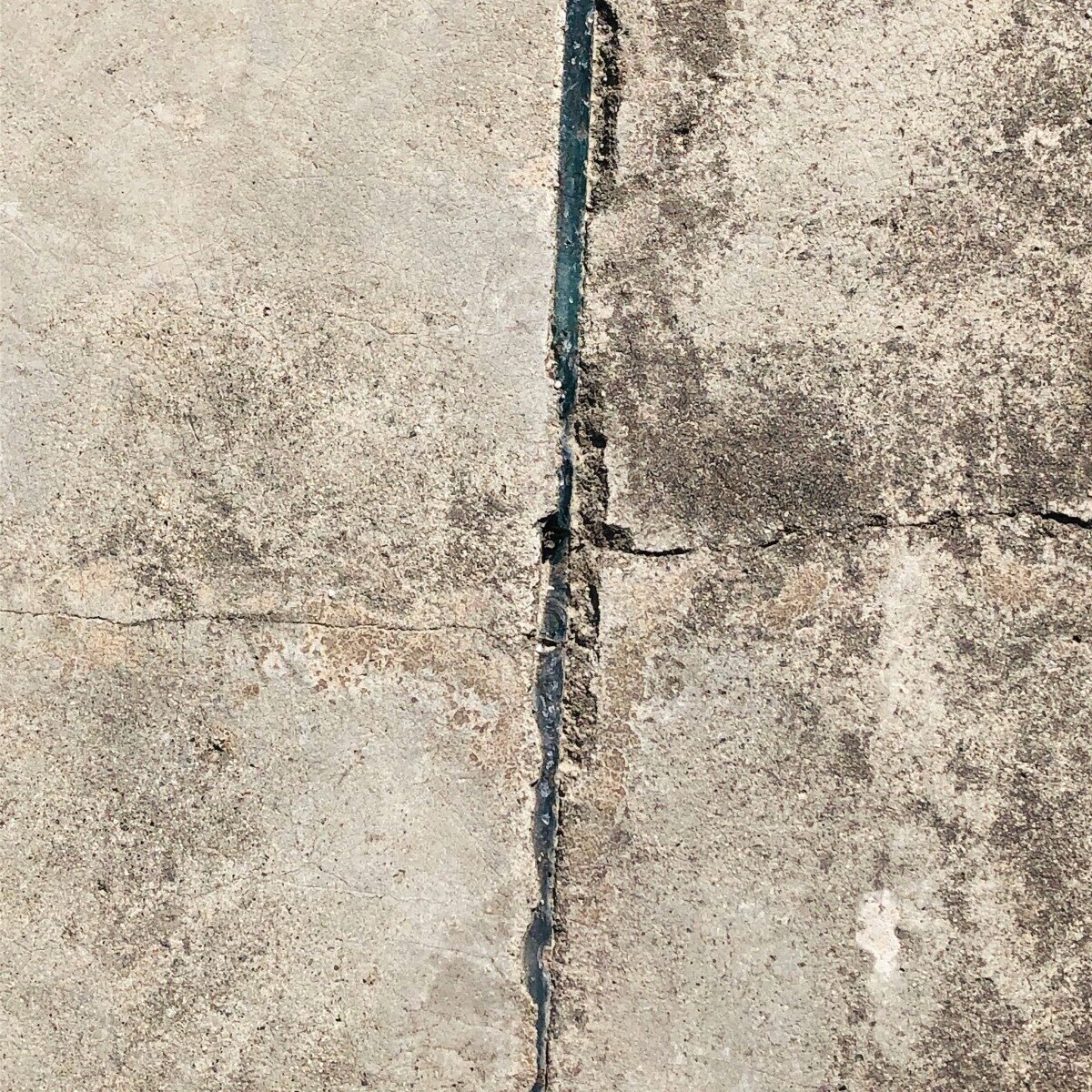
Concrete Repair.
Waterproofing.
Protective Coatings.
Specialized concrete crack injection, waterproofing, epoxy and polished flooring, and protective coating systems for buildings, parkades and homes across Vancouver’s wet coastal climate.
The problem isn’t always where the water appears.
A damp patch, a stained wall or a hairline crack is the symptom. Water follows the path of least resistance through concrete, so where it shows is often not where it enters. Before any repair system is selected, the crack, the pathway and the moisture condition need to be assessed.
Vancouver’s rainfall, saturated soils, below-grade parkades and exposed decks put constant moisture pressure on concrete. Freeze-thaw cycles and standing water widen small defects over time. Our systems are chosen with that exposure in mind.
- 01Identify the source of the water or the cause of the damage
- 02Determine whether the crack is structural or non-structural
- 03Determine whether water is actively entering
- 04Select the appropriate repair or coating system
- 05Prepare the substrate so the system can bond
- 06Complete the repair
- 07Protect the concrete for the long term
Eight systems.
One way of working.
Repair, waterproofing, flooring and coatings — each selected for the condition of the concrete, not the other way round.
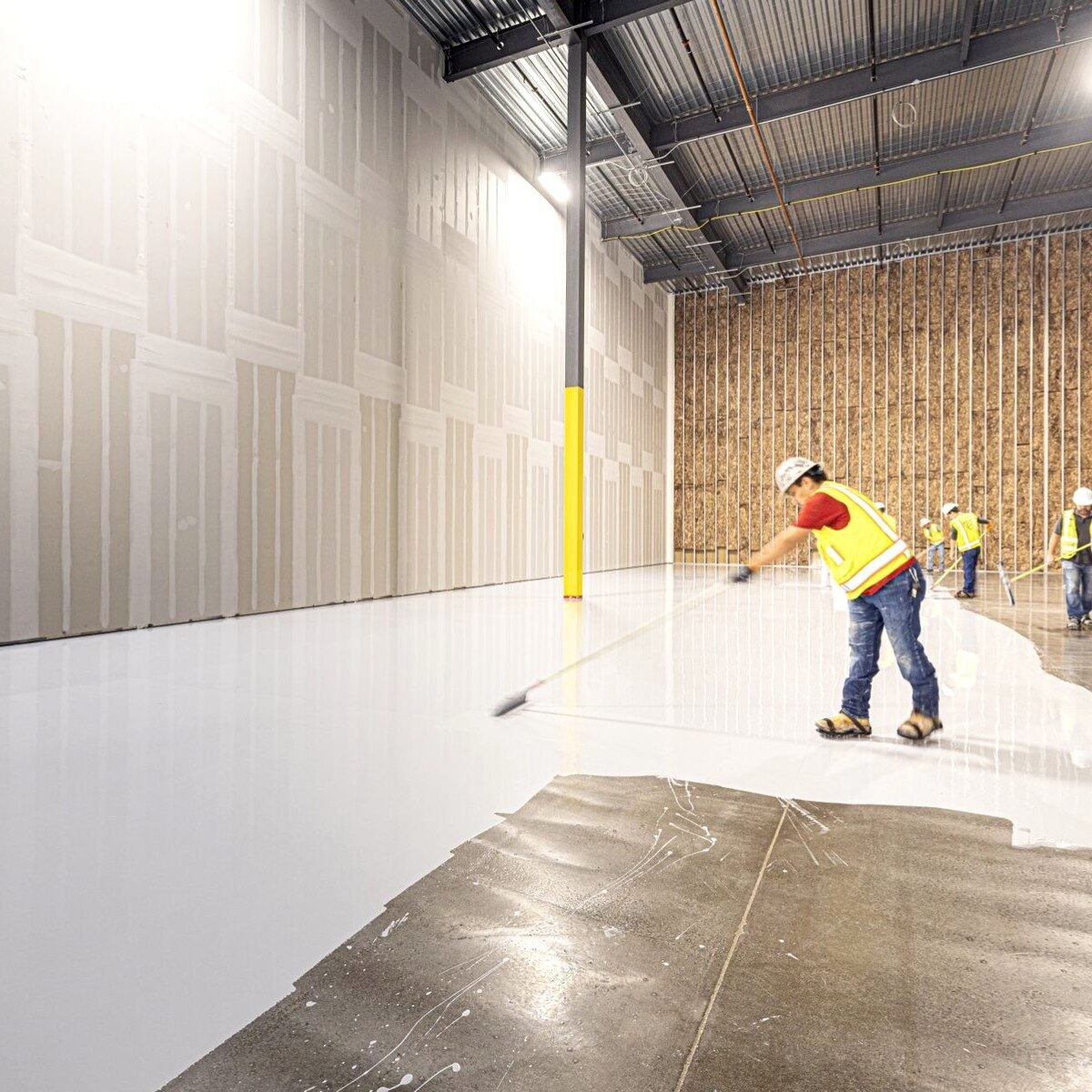
Concrete Crack Injection
Targeted polyurethane or epoxy injection systems used to seal cracks, stop water infiltration and address structural or waterproofing conditions.
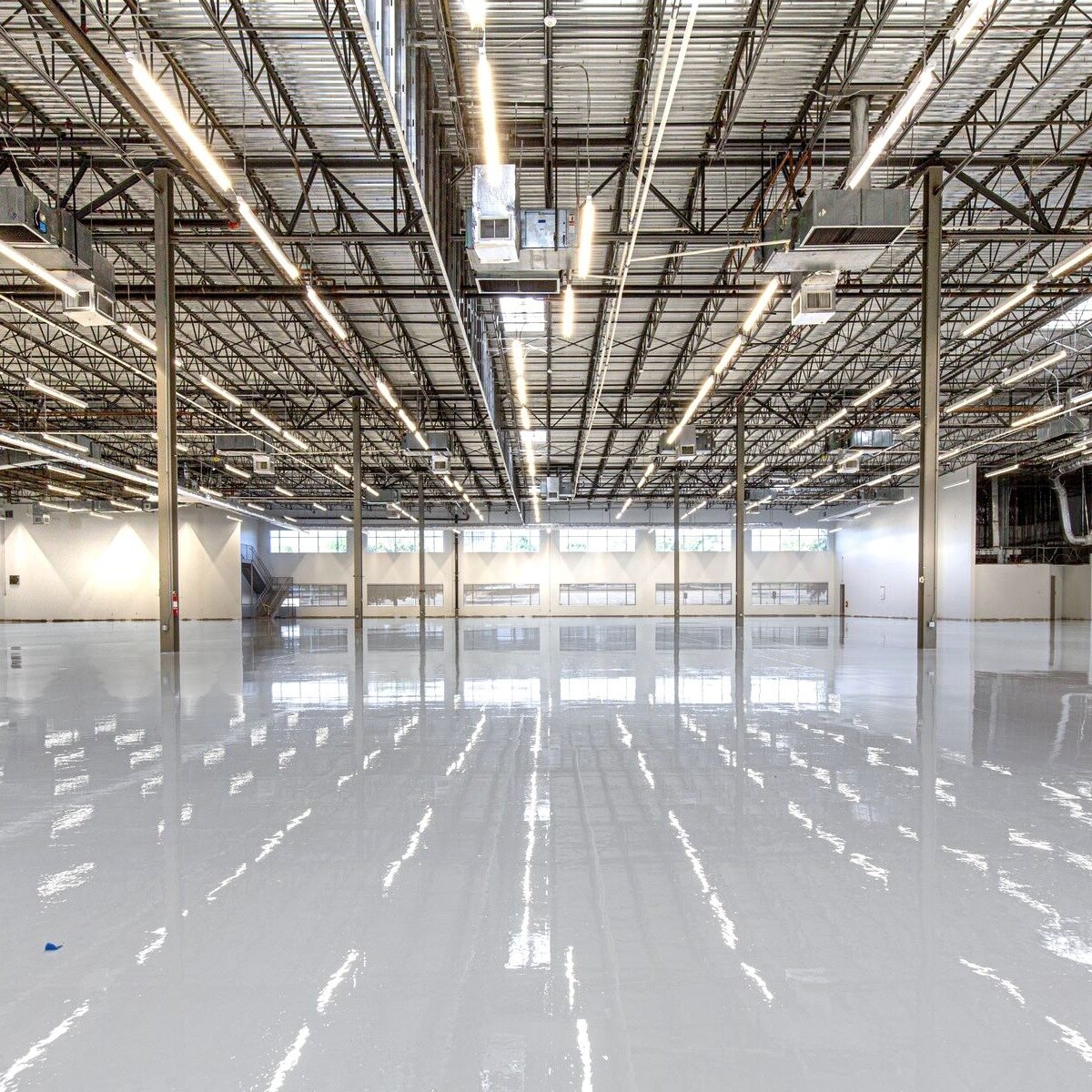
Epoxy Flooring
Durable seamless flooring systems for garages, commercial spaces, industrial facilities and other concrete surfaces.
Polished Concrete & Grinding
Grinding, preparation and polishing systems that transform existing concrete into a durable architectural finish.
Waterproofing & Deck Coating
Protective systems designed around exposure, traffic, moisture and substrate conditions.
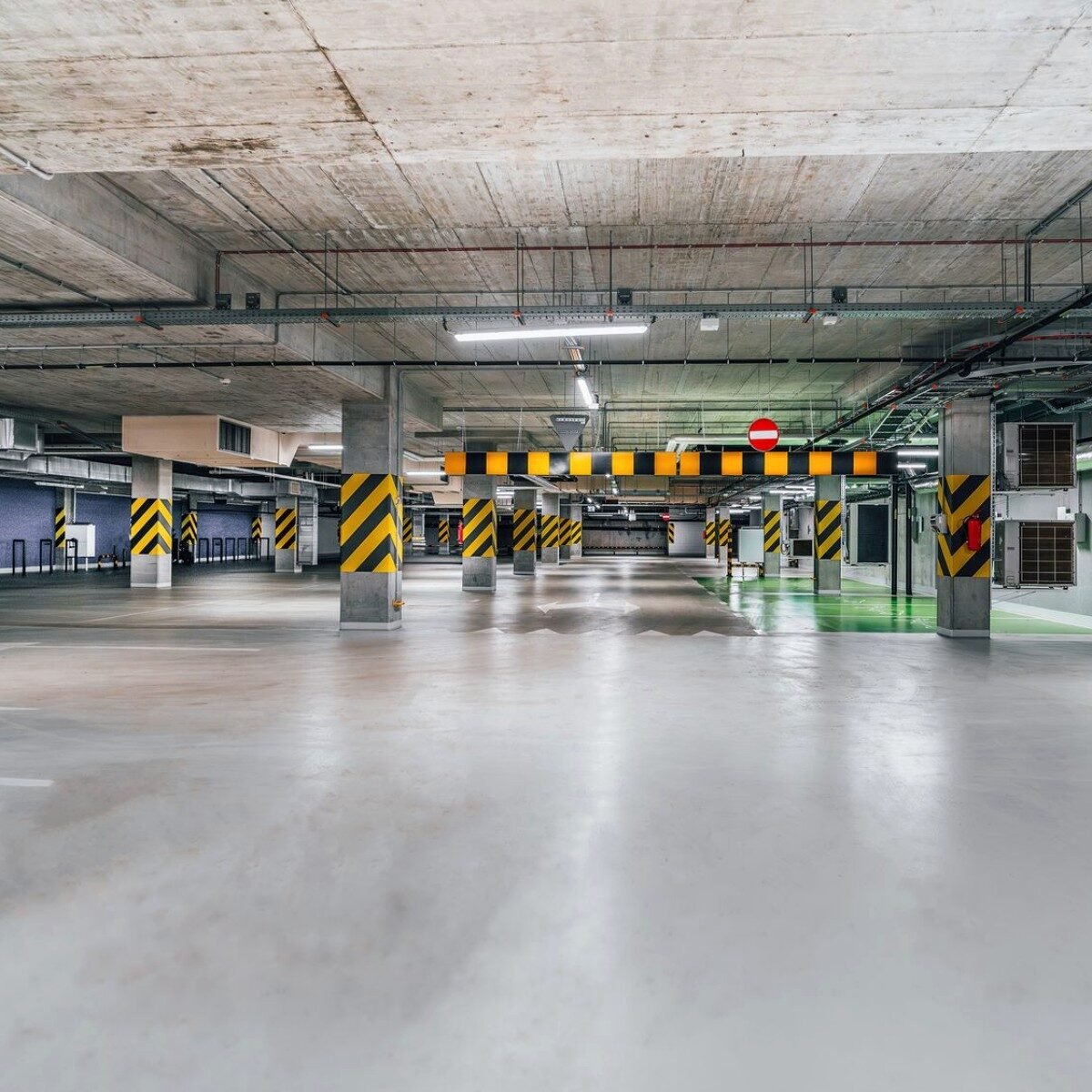
Traffic Coating
Multi-layer protective systems for parkades, ramps, suspended slabs and other traffic-bearing concrete surfaces.
Damp Proofing
Protection against moisture migration through below-grade concrete and foundation assemblies.
Driveway & Concrete Sealing
Clear or coloured sealing systems designed to protect concrete surfaces and improve appearance.
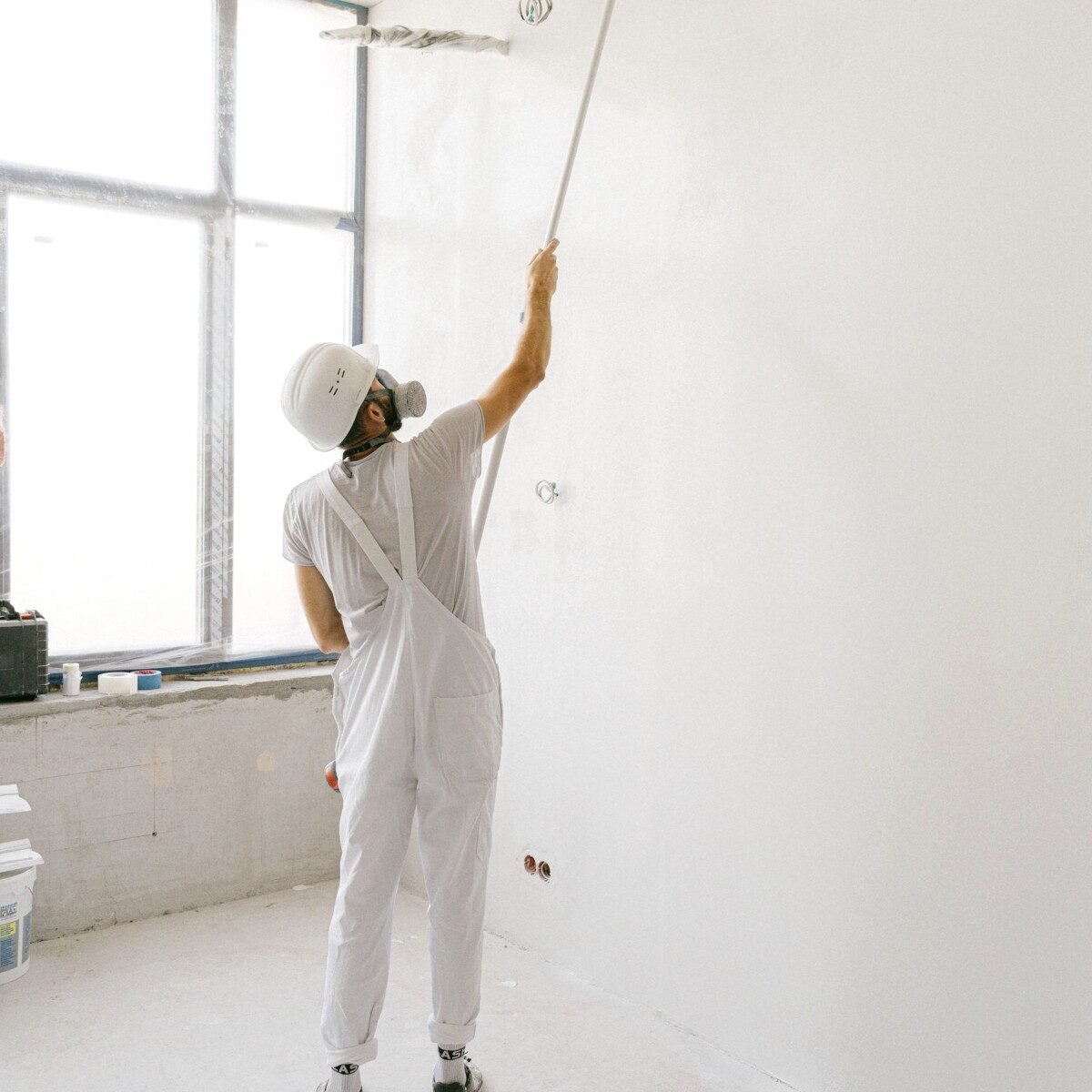
Painting
Professional coating and painting solutions integrated with our broader surface preparation capabilities.
The right material for the right problem.
Neither system is universally better. The condition of the crack — and whether water is moving through it — determines which one belongs there.
Polyurethane
- Reacts and expands within the crack
- Used where water is actively entering
- Forms a flexible, water-resistant seal
- Can travel into irregular pathways and hidden voids
Epoxy
- Bonds the two faces of the crack together
- Used where structural continuity matters
- Applied according to the condition and type of crack
- Typically paired with a dry, stable crack
The condition determines the system.
Not sure what you need? Describe the problem.
You don’t need to know whether it calls for polyurethane, epoxy, a membrane or a coating. Choose what’s happening and we’ll point you to the system we’d typically assess for.
Water through a wall rarely enters where it shows. We trace the pathway first, then assess whether polyurethane injection or a damp-proofing approach fits the condition.
A crack is assessed for movement, moisture and whether it is structural before choosing between epoxy and polyurethane injection.
Parkade leaks usually involve both the slab surface and the cracks beneath it. Injection addresses entry points; a traffic coating protects the deck going forward.
Depending on the use and condition of the slab, the floor may be prepared and coated with epoxy, or ground and polished to a durable finish.
Exterior decks in Vancouver see constant rain and standing water. We assess the substrate and exposure before selecting a polyurethane, polyaspartic or epoxy system.
General dampness without a defined crack usually points to moisture migration through the concrete itself, addressed with damp proofing.
A clear or coloured sealer protects the surface from water, salts and staining while improving its appearance.
Grinding removes the damaged surface layer; polishing or a coating then gives the concrete a finished, protected surface.
Recent work.
Trusted by property managers, stratas and builders.
“Our parkade had leaked every winter for years. They traced the water back to cracks nowhere near the stains, injected them and the ceiling has stayed dry through two rainy seasons.”
“Clear explanation of epoxy versus polyurethane before any work started, a firm quote, and a crew that left the site cleaner than they found it.”
“The warehouse floor was ground, coated and back in service over one weekend. Six months in, no lifting, no wear lanes from the forklifts.”
Principles we work by, not slogans.

- 01Diagnosis before application
Understand the problem before choosing the system.
- 02Proper surface preparation
A repair or coating is only as good as the substrate underneath it.
- 03Material selected for the condition
Epoxy, polyurethane, polyaspartic and other systems each serve a different purpose.
- 04Repair and protection together
Where appropriate, address the damaged concrete and the condition that allowed the damage to occur.
Common questions.
Short answers here. The full FAQ covers materials, preparation and coatings in more depth.
Polyurethane expands and cures flexible, which suits cracks with active water. Epoxy cures rigid and bonds the crack faces, which suits structural cracks that are dry and stable. The condition of the crack decides which is used.
In many cases, yes. Polyurethane injection is specifically designed to react in the presence of water and seal the pathway. Assessment confirms whether injection is the right approach for a given leak.
We look at where water shows, the crack pattern, the surrounding construction and moisture readings, then trace the likely pathway back to its source before deciding on a repair.
No. Some cracks are better addressed by surface repair, coatings or membranes, and some indicate a condition that needs a different approach. Injection is one tool, chosen when it fits.
It depends on exposure, foot or vehicle traffic, moisture and the condition of the substrate. Polyurethane, polyaspartic and epoxy systems each have a place; we recommend based on those factors.
Both are seamless coating systems. Polyaspartic generally cures faster and offers strong UV stability; epoxy offers a well-established build and bond. They are often combined within one floor system.
Proper surface preparation — typically mechanical grinding — is what allows a coating to bond. Skipping it is the most common reason coatings fail early.
Start with the concrete.
Find the cause.
Fix it properly.
Tell us what you’re seeing — a leak, a crack, a worn floor, a deck that won’t stay dry — and Vancouver Concrete Solutions can assess the condition and recommend the appropriate next step.
Phone number and email to be supplied by the client.